
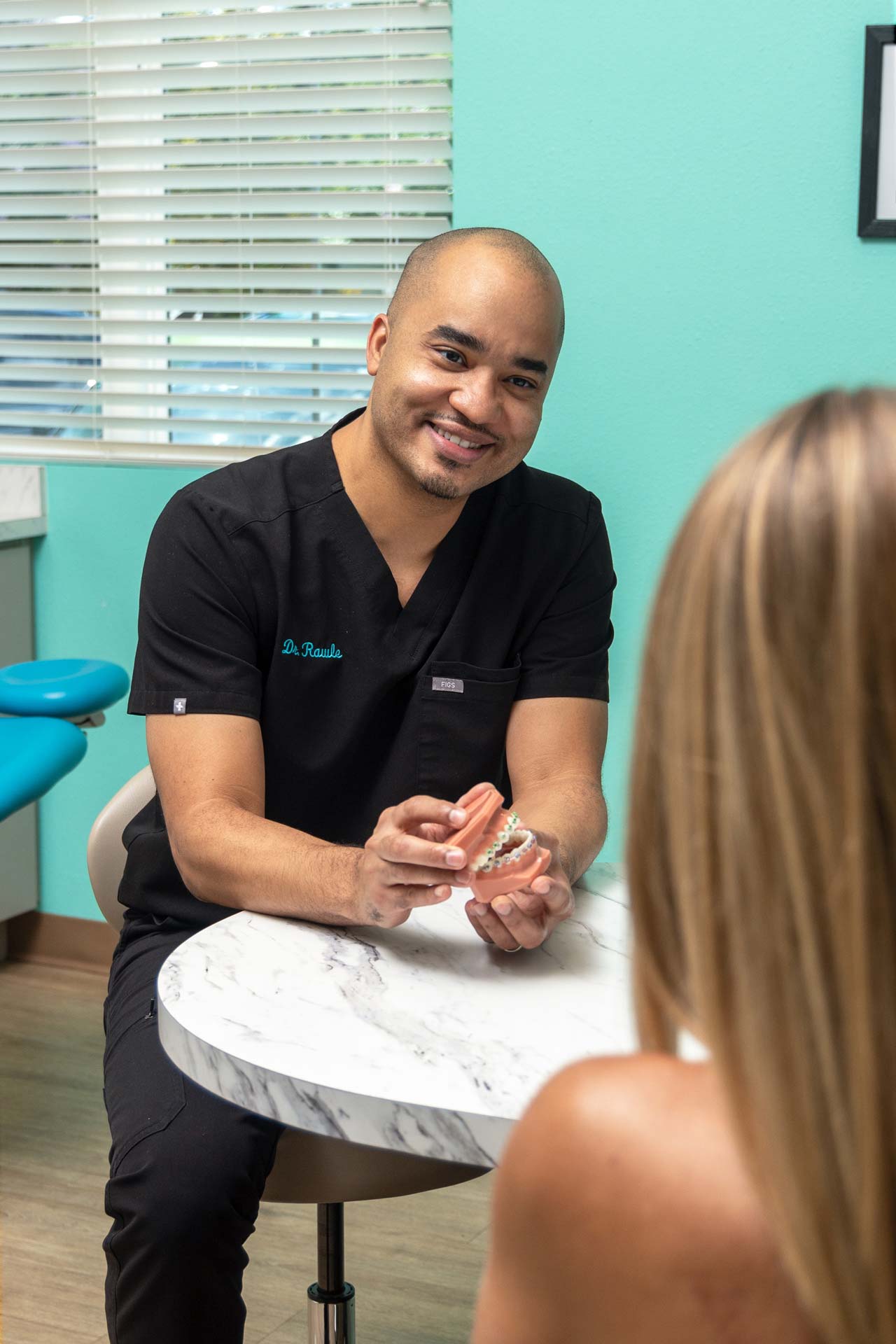
If you’ve searched “orthodontist near me” recently, you know the results all look the same. Smiling stock photos, five-star ratings, and promises of a perfect smile. But here’s the thing: the “best” orthodontist isn’t just about who has the most stars online. It’s about finding a specialist whose training, approach, and practice style actually fit your family’s needs, whether you’re in Lake Mary or anywhere in Central Florida.
There’s no shortage of options when it comes to orthodontic care. This guide breaks down exactly what to look for, what questions to ask, and how to make a confident decision about who will give you a simply radiant smile.
What Makes an Orthodontist the “Best” and Why It Matters
The best orthodontist is a board-certified specialist with two to three years of residency training beyond dental school, proven clinical experience, advanced diagnostic technology, and a care approach built around each patient’s unique needs. Unlike general dentists, orthodontists focus exclusively on tooth movement, jaw alignment, and facial development. That distinction matters more than most people realize.
Board certification by the American Board of Orthodontics represents a voluntary commitment to excellence. Orthodontists who pursue this credential demonstrate advanced knowledge through rigorous examinations and case presentations. According to the American Association of Orthodontists, only orthodontists receive this specialized education in guiding teeth and jaws into proper position.
At Rawle Orthodontics in Lake Mary, Dr. Christopher Rawle, trained at the University of Pennsylvania and Baylor, holds this board certification as a cornerstone of his clinical approach.
So what actually makes an orthodontist the “best” for your situation? It comes down to several factors:
- Credentials and training including dental school, residency program, and board certification status
- Clinical experience with the types of cases most relevant to your needs
- Technology and techniques like digital scanners and 3D imaging that improve accuracy and comfort
- Patient fit including communication style, practice environment, and treatment philosophy
Knowing what separates good from great helps you narrow your search and find a provider you’ll trust throughout your treatment.
Step-by-Step: How to Find the Best Orthodontist for You
Verify Credentials First
Start by confirming that any orthodontist you’re considering is actually a specialist. The American Board of Orthodontics maintains an online directory at americanboardortho.com where you can search by name or location to confirm board certification. This training is non-negotiable for complex tooth and jaw corrections. A general dentist who offers aligners has a very different background than someone who spent years studying biomechanics and jaw growth.
Reading Between the Lines on Reviews
Online feedback offers real patient perspectives, but you need to read critically. Not every five-star review tells you something useful, and not every three-star review is a dealbreaker. Look for specific comments about how the team handles questions, whether the practice runs on time, and whether patients are happy with their results. Pay attention to how the practice responds to feedback, too. Thoughtful responses to both positive and negative comments signal a team that genuinely cares about delivering 5-star care.
Does the Practice Offer What You Need?
Not every orthodontist offers every treatment type. Before scheduling a free consult, confirm the practice provides options relevant to your needs: traditional metal braces, clear or ceramic braces, clear aligners, two-phase treatment for younger children, or specialized appliances for complex bite issues. A practice with a full range of options can recommend what’s truly best for your case rather than being limited to a single approach.
The Free Consult Is Where It All Clicks
Nothing replaces an in-person visit. Walk through the practice. Watch how the team interacts with patients in the waiting area. During your free consult, pay attention to whether the practice is clean, modern, and welcoming. Does Dr. Rawle take time to explain findings and answer your questions without rushing? What technology do they use for diagnosis and treatment planning? Your gut feeling matters here. You’ll be visiting this practice regularly for a year or more, so comfort and trust are essential.
How Should You Compare Value, Not Just Price?
Request a detailed cost breakdown including what’s covered in the quoted fee. Some practices bundle retainers, follow-up visits, and emergency visits into one price. Others charge separately for each. Ask about:
- Insurance processing and what your plan actually covers
- Low monthly payment options that fit your budget
- What happens if treatment takes longer than expected
- Retainer costs after active treatment ends
The lowest price isn’t always the best value if it means fewer check-ins, less supervision, or outdated technology.
Benefits of Choosing a Dedicated Orthodontic Specialist
When you choose a board-certified orthodontist, you’re getting someone who focuses on tooth movement and bite correction every single day. That specialization translates into real advantages for your treatment.
More Precise Diagnoses
Orthodontists are trained to identify subtle issues that general practitioners might miss. They understand how teeth, jaws, muscles, and airways work together, and how treatment affects each component. A slight asymmetry in jaw growth or an airway concern that a general dentist might overlook? That’s exactly what specialists are trained to catch.
What Specialized Technology Do They Use?
Dedicated orthodontic practices invest in specialized equipment like digital scanners, 3D imaging, and temporary anchorage devices (TADs) that enable more predictable results. These tools aren’t typically found in general dental practices. At Rawle Orthodontics, the iTero scanner replaces traditional impressions entirely, making the diagnostic process faster and more comfortable for Lake Mary families and patients from across the region.
Expanded Treatment Capabilities
From early intervention for children to complex adult cases involving jaw discrepancies, orthodontists handle the full spectrum. They can pivot treatment plans when needed because they understand the mechanics at a deeper level. This flexibility is something general dentists offering aligners simply can’t match.
Better Long-Term Outcomes
Specialized training and experience reduce the likelihood of mid-treatment complications or the need for retreatment. When something unexpected happens, and it sometimes does, orthodontists have the expertise to adjust course effectively. That confidence comes from years of residency training focused on exactly these scenarios. Rawle Orthodontics brings this level of expertise to every case, from mild crowding to complex bite corrections.
An Experience Built Around You
Orthodontic practices are designed around one thing: creating great smiles. Scheduling, follow-up care, and emergency visits are all structured around orthodontic treatment timelines. You won’t be squeezed between cavity fillings and cleanings. Every part of the experience is built for patients at any stage of life who are working toward a radiant, confident smile.
Orthodontist vs. General Dentist vs. DIY Aligners: How They Compare
Understanding your options helps you make an informed decision. A board-certified orthodontist like Dr. Rawle, with residency training from programs like Penn and Baylor, brings a level of specialization that other paths simply don’t offer. Here’s how the three main paths stack up:
| Factor | Board-Certified Orthodontist | General Dentist | DIY/Mail-Order Aligners |
|---|---|---|---|
| Training | 2-3 years specialized residency after dental school | General dental training only | No professional oversight at all |
| Case Complexity | Simple to severe, including jaw issues | Mild to moderate (typically aligners only) | Mild cosmetic cases only |
| In-Person Exams | Yes, regular monitoring every 4-8 weeks | Yes, though frequency varies by practice | None, or extremely limited |
| Treatment Adjustments | Real-time modifications based on progress | Limited capability for complex changes | Self-directed with no clinical guidance |
| Risk Level | Lowest | Moderate | Highest |
| Supervision Frequency | Consistent, scheduled check-ins | Varies widely | Remote or none |
General dentists can provide basic aligner treatment for straightforward cases. They typically refer complex situations, like significant bite problems or jaw discrepancies, to orthodontic specialists.
DIY aligners skip in-person examinations entirely. Without X-rays, photos, and professional assessment, serious issues like root resorption or gum disease can go undetected. The American Association of Orthodontists has raised concerns about unsupervised treatment leading to irreversible damage in some cases.
At Rawle Orthodontics, Dr. Rawle’s University of Pennsylvania and Baylor training ensures patients receive specialist-level care for cases of any complexity. For moderate to severe alignment issues, a board-certified orthodontic specialist with residency training remains the safest and most effective choice.
What Affects the Cost of Orthodontic Treatment?
Orthodontic treatment costs vary widely based on several key factors, including the type of braces or aligners used, how complex your case is, how long treatment lasts, and what your insurance covers. In Central Florida and the Lake Mary area, costs generally fall within national averages, though the best way to get an accurate estimate is to schedule a free consult. Here’s how each factor influences pricing.
How Does Treatment Type Affect Cost?
Traditional metal braces, clear braces, and clear aligners each carry different price points. Two-phase treatment for children involves separate fees for each phase. Dr. Rawle will recommend what’s most appropriate for your specific case during your free consult.
Does Case Complexity Change the Price?
Minor crowding requires less time and fewer visits than severe bite issues or significant jaw discrepancies. More complex cases naturally cost more due to extended treatment duration and the additional expertise required to manage them well.
How Does Treatment Duration Factor In?
Most orthodontic treatment lasts between 12 and 24 months, though some cases resolve faster and others take longer. Extended treatment means more appointments and potentially higher overall costs.
What Insurance and Payment Options Are Available?
Many dental insurance plans include orthodontic benefits, though coverage varies widely. Ask practices about which insurance plans they accept and process, low monthly payment options that fit your budget, and whether free consults are offered so you can explore options without financial commitment upfront.
Why Does Expertise Affect Long-Term Value?
While cost matters, choosing a specialist can actually save money over time. We’ve seen patients come in after incomplete treatment elsewhere, and the cost to correct course is almost always higher than starting with a specialist from the beginning. Getting it right the first time is almost always the more affordable path.
Who Needs an Orthodontist? Signs It’s Time to Schedule a Free Consult
Orthodontic treatment isn’t just for teenagers with crowded teeth. Here’s who should consider scheduling a free consult.
When Should Children First See an Orthodontist?
The American Association of Orthodontists recommends an initial orthodontic evaluation by age 7. At this age, orthodontists can identify developing issues and determine whether early intervention might prevent more extensive treatment later. Most kids won’t need treatment that young, but catching a problem early can make a real difference down the road.
Why Do Teens Commonly Seek Treatment?
Crowding, spacing, overbites, underbites, and crossbites are common reasons teens seek treatment. This age group often has the ideal combination of growth potential and maturity for efficient treatment. It’s also a time when confidence matters enormously, and achieving a radiant smile can make a lasting impact on self-esteem.
Should Adults Consider Orthodontic Treatment?
Adult orthodontic treatment has grown significantly in recent years. Clear aligners and ceramic braces offer discreet options for professionals and anyone at any stage of life who wants a straighter smile without traditional metal braces. At Rawle Orthodontics, we believe orthodontics is for everyone, regardless of age.
What Functional Problems Suggest You Need an Evaluation?
Beyond aesthetics, certain symptoms suggest an orthodontic evaluation is warranted. These include jaw pain or clicking, difficulty chewing or biting, uneven tooth wear, speech difficulties, and mouth breathing or snoring. These aren’t just cosmetic concerns. They can affect your overall health and quality of life.
Are You Unsure Whether You Need Treatment?
A free consult is the best way to determine if and when treatment should begin. A board-certified orthodontist like Dr. Rawle can identify issues that aren’t obvious to untrained eyes, and early detection often leads to simpler, shorter treatment. There’s no cost and no commitment, just answers.
Frequently Asked Questions About Finding the Best Orthodontist
How do I know if an orthodontist is board certified?
You can verify board certification through the American Board of Orthodontics website at americanboardortho.com. Search by name or location to confirm a provider has completed the voluntary certification process. Board-certified orthodontists have demonstrated advanced competency beyond their residency training.
Do I need a referral from my dentist to see an orthodontist?
No referral is necessary in most cases. You can contact an orthodontic practice directly to schedule a free consult. That said, your general dentist may recommend specific orthodontists they trust, which can be a helpful starting point.
What questions should I ask at a free consult?
Come prepared with questions about treatment options for your specific case, estimated timeline, total cost and payment options, the orthodontist’s experience with similar cases, and what technology they use. Ask about emergency protocols and what happens if treatment takes longer than expected. The more specific your questions, the more useful the answers.
Is it better to choose an orthodontist or a dentist who offers braces?
For mild cases, a general dentist with aligner training may be sufficient. For moderate to complex issues, including bite problems, jaw discrepancies, or cases requiring extractions, an orthodontic specialist is strongly preferred. Their additional years of focused training make a meaningful difference in outcomes.
How long does orthodontic treatment typically take?
Most orthodontic treatment takes 12 to 24 months, depending on case complexity. Simple crowding may resolve in under a year, while significant bite corrections can take two years or more. At our Lake Mary practice, Dr. Rawle will provide a personalized estimate during your free consult based on your specific situation.
If you’re exploring orthodontic options in Lake Mary or the surrounding Central Florida area, Rawle Orthodontics offers complimentary free consults for patients at any stage of life. Dr. Christopher Rawle is a University of Pennsylvania and Baylor-trained orthodontist and AAO member. Discover the difference that specialized care can make.