
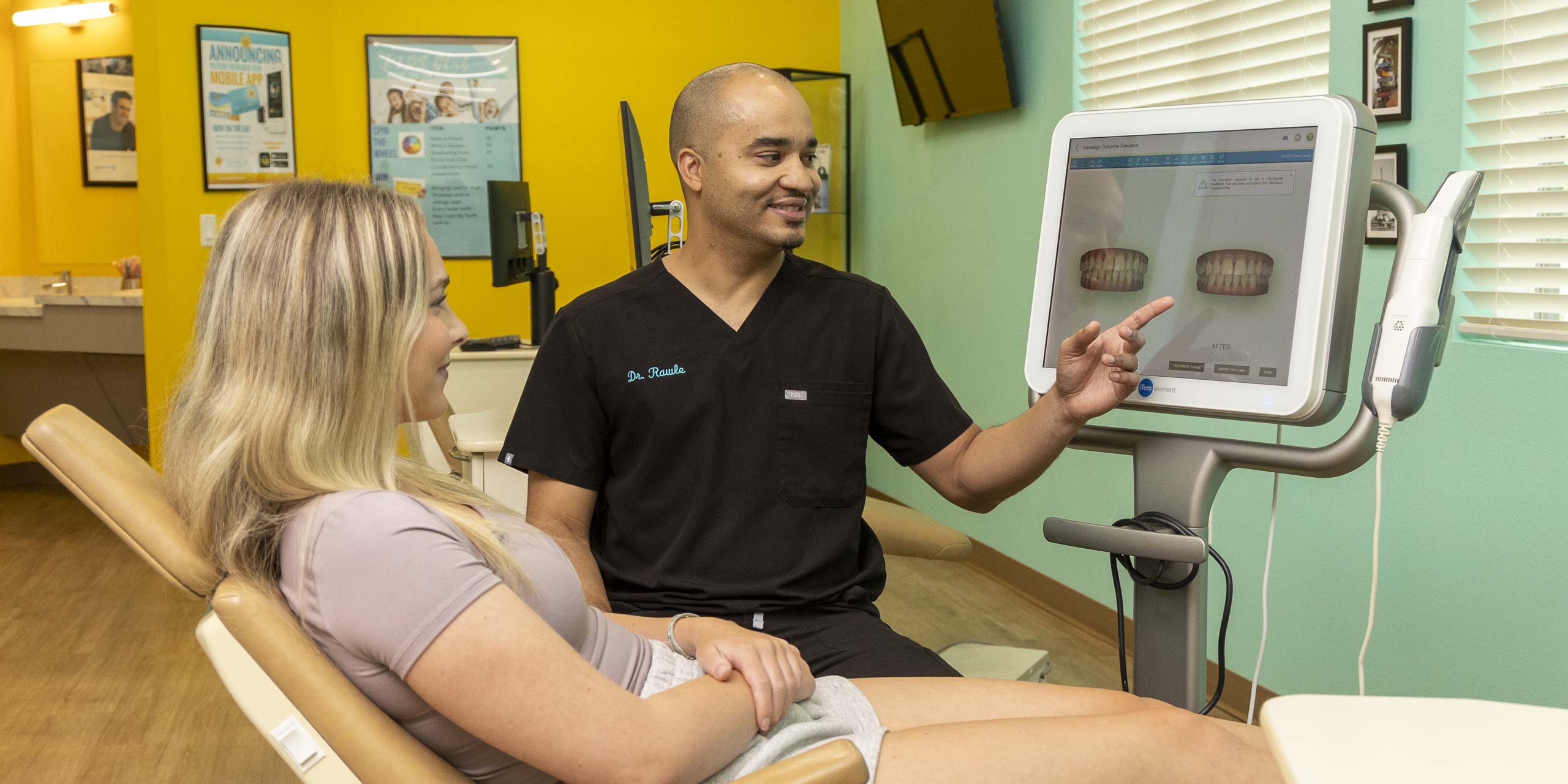
When you’re ready to start working toward a simply radiant smile, one of the most important decisions you’ll make isn’t just what treatment to get, it’s who will guide you through it. For families in Altamonte Springs, choosing a local orthodontist means partnering with a community-based specialist who’s invested in your results and accessible when you need them most.
Our team has seen firsthand how proximity and personal connection shape treatment outcomes. Let’s explore what makes a local orthodontist different and why it matters for your family’s smiles.
What Does It Mean to Choose a Local Orthodontist?
A local orthodontist is a community-based specialist who has established roots in your area and builds lasting relationships with patients. Unlike corporate chains with rotating staff or distant providers requiring long commutes, a community practice prioritizes continuity and convenience. This distinction matters more than most patients realize when they first start exploring their options.
Here’s something many patients don’t realize: there’s a real difference between a general dentist and a specialized orthodontist. While your family dentist handles cleanings, fillings, and overall oral health, an orthodontist completes an additional two to three years of specialized residency training focused exclusively on tooth movement, jaw alignment, and bite correction.
That extra training matters. It equips an orthodontist to handle everything from simple alignment cases to complex treatments requiring TADs or laser gum contouring, situations a general dentist typically refers out.
Community-based practices invest differently in their patient relationships, too. Corporate models often measure success by patient volume. A local practice measures success by the smiles created and the families who return generation after generation. When your orthodontist lives and works in the same community as you, their reputation depends on every single result.
This matters practically as well. Picking someone nearby means you’re not just choosing a provider. You’re gaining a partner who understands local school schedules, knows which insurance plans are common in the area, and can see you quickly if something unexpected happens with your braces or aligners.
The difference shows up in small moments: the team member who remembers your teen’s soccer tournament, the flexible scheduling around school holidays, the orthodontist who’s been treating Altamonte Springs families for years and genuinely cares about the community he serves.
How a Local Orthodontist Delivers Better Care: The Treatment Process
Understanding how orthodontic treatment actually works helps explain why location matters so much. Here’s what the process looks like when you work with a local specialist:
Your First Visit Sets the Foundation
Your first visit sets the tone for everything that follows. During this appointment, your orthodontist conducts a thorough examination, takes digital X-rays and scans, and discusses your goals. With a nearby practice, this free consult happens just minutes from your home or workplace, making it easy to fit into a lunch break or after-school window.
This first meeting is also where you get a feel for the practice culture. You’ll meet the team, see the technology firsthand, and ask questions without feeling rushed. It’s a chance to experience 5-star care before treatment even begins. Board-certified orthodontists with residency training bring a level of clinical depth to this evaluation that general dentists simply can’t replicate.
Your Custom Treatment Plan Takes Shape
Based on your evaluation, your orthodontist develops a treatment plan built around your specific needs. This might include traditional braces, clear aligners, or advanced options like TADs (temporary anchorage devices) for complex movements. Your provider takes time to explain each option and help you choose what fits your lifestyle and goals. Residency-level training in orthodontics ensures your custom plan addresses both aesthetics and function, not just one or the other.
Regular Adjustment Visits Keep You on Track
Here’s where proximity really pays off. Orthodontic treatment requires regular check-ups, typically every four to eight weeks depending on your treatment type. With a nearby provider, these visits become routine rather than disruptive. Most families in the Altamonte Springs area are less than 10 minutes away from a local practice, which makes a real difference over 20-plus visits when you’re juggling work, school, and family schedules.
Consistent Monitoring Leads to Better Results
One of the biggest advantages of a community practice is seeing the same orthodontist throughout your treatment. Your provider personally monitors each patient’s progress, making adjustments based on how your teeth are responding rather than following a generic protocol. This consistency leads to better outcomes because your provider knows your case history intimately. No chart-reading from scratch. No catching up. Just continuous, informed care.
After Your Braces Come Off, the Relationship Continues
Treatment doesn’t end when your braces come off or you finish your last aligner tray. The retention phase is critical for maintaining your results. Your local orthodontist makes follow-up appointments convenient, so you’re more likely to stick with your retainer protocol and protect your investment in your new smile.
7 Key Benefits of Choosing a Local Orthodontist
Let’s break down the specific advantages you gain when you choose a community-based orthodontist over distant alternatives.
Care That’s Tailored to You, Not a Template
Community practices build relationships that extend beyond the treatment chair. When the same team sees you visit after visit, they learn your preferences, remember your concerns, and tailor their approach to your comfort level. This isn’t just about being friendly. It directly impacts treatment quality.
Think about what that looks like in practice: the assistant who already knows you prefer a certain flavor of fluoride, or the orthodontist who remembers that your last adjustment caused some soreness and checks in about it. Corporate chains with rotating doctors simply can’t offer that kind of attentiveness, because no single provider is tracking your experience over time.
Scheduling That Works Around Real Life
Time is precious. Your orthodontist’s team understands the rhythms of your community: school schedules, work patterns, traffic flow. They offer appointment times that actually work for local families, including early morning, after-school, and lunch-hour slots.
When your orthodontist is nearby, you can:
- Schedule appointments during school breaks without losing half a day
- Pop in for minor adjustments or a quick question (literally five minutes, in and out)
- Coordinate multiple family members’ appointments back to back, saving you a second trip
- Skip the long commutes that throw off your entire afternoon and leave everyone frustrated
Emergency Access That Actually Works
Broken bracket. Poking wire. Lost retainer. Orthodontic emergencies happen, and when they do, you want help fast. A community orthodontist can typically see you the same day or next day for urgent issues. You won’t be stuck waiting a week or driving an hour for a five-minute visit.
This rapid response isn’t just convenient. It protects your treatment progress. A loose bracket left unaddressed for too long can set back your timeline by weeks, turning a minor hiccup into a costly delay.
Same Doctor, Every Visit
According to the American Association of Orthodontists, orthodontic treatment typically spans 12 to 24 months. That’s a lot of appointments. With an independent practice, you see the same orthodontist every visit. Your provider knows exactly where you started, how you’ve progressed, and what adjustments will get you to your goal.
Contrast this with corporate chains where you might see a different doctor each time, reading your chart cold and making decisions without the context of having watched your teeth move over months. That lack of continuity can lead to miscommunication, redundant steps, and a less efficient treatment timeline.
Community Connection Goes Beyond the Chair
A community orthodontist is part of your daily world. They participate in local events, partner with area organizations, and understand the practical details that affect your care. This connection translates to real benefits:
- Appointment times that work around local school calendars
- Familiarity with what area insurance plans cover, so you’re not guessing
- Established relationships with nearby dentists for coordinated care (and that coordination goes both ways, meaning your providers are actually talking to each other)
- Genuine investment in your community’s wellbeing beyond business
Direct Communication, No Runaround
When questions come up between appointments, you want answers quickly. Community practices typically offer more accessible communication, whether that’s a direct phone line, text messaging, or the ability to stop by for a quick question.
The team knows you by name. They can pull up your records instantly. There’s no corporate call center, no being transferred three times, no waiting days for a callback. That kind of access matters, especially when your teen calls you from school worried about a loose wire and you need to know whether it can wait until tomorrow.
Advanced Technology, Chosen with Purpose
Many patients assume corporate chains have better technology. That’s often not the case. Independent orthodontists invest in the latest technology, including digital scanning, laser gum contouring, and TADs, because they’re focused on offering the best possible care.
You get top-quality treatment from a provider who chose that technology specifically because it benefits patients, not because a corporate office mandated it. The difference is intention. Every piece of equipment in a community practice earned its place by improving outcomes or patient comfort.
How Does a Local Orthodontist Compare to Corporate Chains and Mail-Order Aligners?
Not all orthodontic options are created equal. Here’s how they compare across factors that matter most:
| Factor | Local Orthodontist | Corporate Chain | Mail-Order Aligners |
|---|---|---|---|
| Provider Consistency | Same doctor every visit | Rotating providers | No in-person provider |
| Emergency Access | Same-day or next-day | May require waiting | No emergency support |
| Treatment Range | Full range including complex cases | Varies by location | Mild cases only |
| Personalization | Highly customized plans | Standardized protocols | Algorithm-based |
| In-Person Monitoring | Every 4-8 weeks | Every 4-8 weeks | None |
| Complex Treatment Capability | TADs, two-phase, surgical cases | Limited | Not available |
| Cost Transparency | Upfront estimates, flexible plans | Varies | Lower upfront, hidden risks |
A qualified local orthodontist in Altamonte Springs offers the full range of treatments listed in the local column, backed by residency-level training that includes advanced work with TADs and surgical coordination.
Why Do Complex Cases Require In-Person Expertise?
If you or your child needs anything beyond basic alignment (think bite correction, jaw issues, two-phase treatment for growing children, or cases requiring TADs), mail-order aligners simply aren’t an option. These treatments require hands-on expertise, regular monitoring, and the ability to adjust course as treatment progresses.
Even cases that seem straightforward can reveal complexities once treatment begins. Having a skilled orthodontist physically present to evaluate and adjust makes all the difference in your final result.
What Are the Hidden Costs of “Convenient” Options?
Mail-order aligners advertise lower prices, but those savings can disappear quickly if:
- Your case isn’t actually suited for remote treatment
- Problems develop that require in-person intervention (and you end up paying out of pocket for an emergency visit elsewhere)
- You need refinements that weren’t included in the original price
- Your results don’t meet expectations and you end up needing traditional treatment anyway
A thorough in-person evaluation helps identify your specific situation and recommends treatment that will actually work, even if that means telling you aligners aren’t your best option. That honesty saves money in the long run.
Cost Factors When Choosing a Local Orthodontist
Orthodontic treatment from a local orthodontist varies based on treatment type (braces, clear aligners, or advanced options like TADs), your insurance coverage, the length of your treatment, and the payment structure your practice offers. Understanding these factors upfront helps you make a confident decision before treatment starts, with no financial surprises along the way.
Flexible Payments and Insurance Coordination
Many community practices offer in-house financing that corporate chains can’t match. Low monthly payment options make treatment accessible without requiring third-party financing or credit checks. A payment calculator on the website helps you estimate costs before your first visit, so there are no surprises.
Established community practices also have deep experience working with insurance plans common in your area. They know which plans offer orthodontic benefits, how to maximize your coverage, and how to handle claims efficiently. At a local Altamonte Springs practice, this expertise can save you both money and headaches, because the team has likely processed claims from your exact plan dozens of times before.
Hidden Savings and the Value of Consistent Care
When calculating the true cost of orthodontic treatment, factor in expenses most people overlook:
- Travel time and fuel costs for 20-plus appointments over 12 to 24 months
- Time off work or school for distant appointments, which adds up faster than you’d expect
- Productivity lost to longer commutes
- Stress and hassle of difficult scheduling, especially when coordinating for multiple family members
A nearby provider eliminates these hidden costs. Over the course of treatment, those savings add up significantly.
Consistent monitoring by the same provider also catches problems early. A loose bracket addressed immediately causes no delay. The same issue left for a week can extend treatment by a month. Over time, the continuity of local care often results in shorter treatment times and fewer complications, both of which save money. Community practices depend on their reputation, so they can’t afford to surprise patients with hidden fees or unclear pricing. You’ll typically receive a detailed treatment estimate upfront, including all appointments, retainers, and follow-up care. No fine print. No unexpected charges six months in.
Who Benefits Most from a Local Orthodontist?
Anyone can benefit from convenient, attentive orthodontic care. But certain patients gain especially big advantages from choosing a nearby provider:
- Children age 7 and older ready for early evaluation
- Busy teens balancing school, sports, and social lives
- Working adults with packed schedules
- Patients needing complex care like TADs or surgical coordination
- Families with multiple members in treatment at the same time
Children and Early Evaluation
The American Association of Orthodontists recommends children see an orthodontist by age 7. At this age, early evaluation can identify developing issues before they become complex problems. For families with young children, a community orthodontist means easy appointments that don’t disrupt school schedules, a comfortable and familiar environment that reduces anxiety, the ability to monitor growth over time with the same provider, and convenient two-phase treatment if needed.
Busy Teens and Working Adults
Picture this: your teen has a game at 4:30, but their bracket feels loose. A quick 3:15 appointment at a practice ten minutes away solves the problem without missing warmups. That kind of flexibility only works with a nearby provider who offers after-school times, fast emergency response, and scheduling that bends around real life.
Adult patients face similar challenges. Fitting orthodontic appointments into already-full schedules feels daunting, but a nearby provider makes treatment manageable with lunch-hour appointments, early morning or late afternoon availability, minimal disruption to work responsibilities, and discreet treatment options like clear aligners that don’t draw attention during meetings or presentations. Altamonte Springs professionals and parents alike benefit from having a practice close to both home and work.
Complex Cases and Multi-Member Families
If your treatment involves TADs, laser gum contouring, two-phase treatment, or coordination with oral surgery, you need in-person expertise from a qualified specialist. These cases require regular hands-on monitoring and the ability to adjust treatment in real-time. Having that expertise nearby means fewer referrals, fewer offices to visit, and a smoother overall experience.
When two or more family members need orthodontic care, a nearby provider saves enormous time. You can schedule back-to-back appointments, coordinate treatment timelines, and build a relationship with one team who knows your entire family. One trip, multiple smiles taken care of.
Frequently Asked Questions About Choosing a Local Orthodontist
Why is it better to go to a local orthodontist instead of a chain?
A community orthodontist offers consistent care from the same provider throughout your treatment, faster emergency response, and individual attention that corporate chains with rotating doctors can’t match. You’ll also benefit from convenient scheduling, community connection, and a practice that depends on reputation rather than volume.
How often do I need to visit the orthodontist during treatment?
Most patients visit every four to eight weeks during active treatment. The exact frequency depends on your treatment type: traditional braces typically require more frequent adjustments than clear aligners. With a nearby provider, these regular visits are quick and convenient rather than disruptive to your week.
Can a local orthodontist handle complex cases like surgery or TADs?
Yes. Qualified orthodontists with residency training are equipped to handle complex cases including TADs (temporary anchorage devices), two-phase treatment for children, and cases requiring coordination with oral surgeons. In fact, complex cases benefit most from the consistent monitoring a nearby provider offers.
What should I look for when choosing an orthodontist near me?
Look for specialized training (two to three years beyond dental school), membership in the American Association of Orthodontists, modern technology and up-to-date equipment, transparent pricing, and positive reviews from local patients. Schedule a free consult to meet the team and see if the practice culture feels right for your family.
Does a local orthodontist in Altamonte Springs offer free consults?
Many community orthodontic practices offer complimentary first visits where you can meet your orthodontist, learn about your treatment options, and receive a detailed estimate. This no-pressure appointment helps you make an informed decision about your smile. Your smile is our priority, and a free consult is the easiest way to get started.